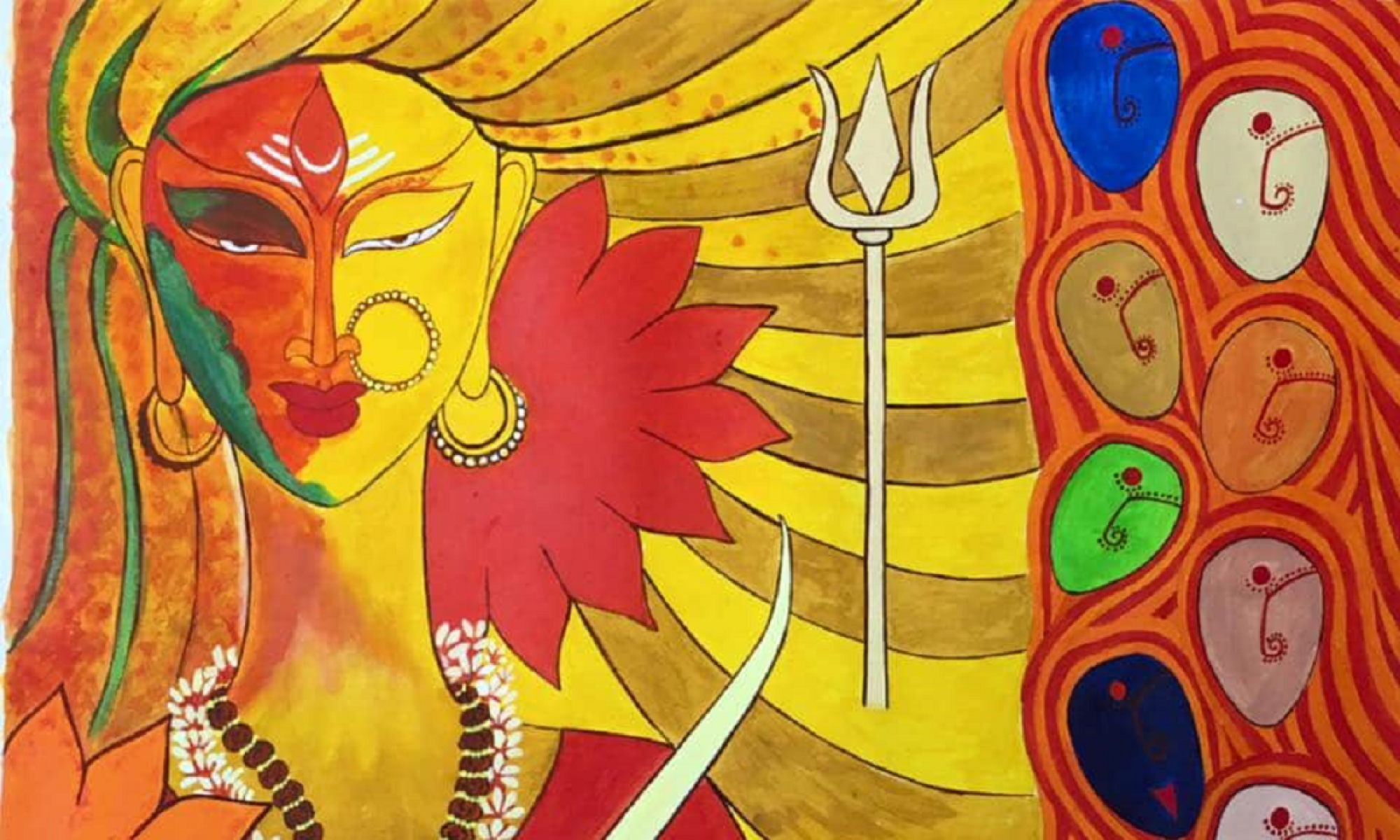
Reactions to by my previous blog, motivate me to share more on the issue of “the untouchable me”. I received some comments on my blog and many more on my FB page as well as WhatsApp appreciating my effort to initiate a discussion on the topic. Some of my readers think that these practices do not exist in urban areas anymore and the discussions may not be relevant in 2020. Women and men have also come up to share similar personal experiences and having to follow these practices now, even urban India.
Some experiences from my readers
“… it is my personal experience that’s reflected in your words… the only difference is that it happened when I was a little girl… the emotional trauma that majority women experience…”
“… not going far away its practiced in my next-door neighbour educated Marwari family- no entry to kitchen and many other pathetic dos and don’ts.”
“…kudos to addressing the elephant in the room or should I say the rural society. Never heard it myself or around me though.”
“… I love the plot and there are many taboos which exist even now a days. I have to take a head bath when I my periods start and after 5 days too”
“… a neighbour who came to give me shagun (gift to newly wed Mayankita in Dec 2019) had so many questions on my periods when I asked her for water or tea. It was embarrassing, offensive, and strange in many ways. What has my serving water or tea has to do with my periods and which part of the month it comes?”
I have not received any comment that would suggest that it is not appropriate to bring out these indoor matters out in public. However, I know that there would be some readers who would be disgusted with the open discussion on the topic and may label it a ‘radical’ or a ‘home-breaking’ agenda. How many of us and our family members can just simply say “NO” to any such demands in our families on the ground that the choice should be left on the woman? How many of us will say “NO” because it is not correct to force a woman to go through these discriminatory practices?
My last blog’s Mayankita understands that the practices once required and relevant as per needs of ancient times do not have any meaning in today’s world and need change. She also understands that it is not easy to unlearn the deeply rooted illogical (in today’s world) and discriminatory practices and she waits for someone else to make that change happen. I don’t want to wait for that ‘someone’. I want to be that someone to begin with. I am sharing some experiences of women related to untouchability collected through personal interactions over the last two decades that continue to exist even in 2020. All of these have been presented as Mayankita’s experiences of menstruation below. Please reflect :
How relevant are these in 2020?
– When the menstruating Mayankita bent to touch feet of a relative in a social gathering, the relative stepped back and distanced herself from her. All the people standing there witnessed this rejection of the gesture of greeting with respect (charansparsh) and Mayankita felt humiliated.
– The sick mother-in-law rejected water offered by the menstruating Mayankita because she was impure (sometimes people who’ve not taken shower are also considered impure).
– While menstruating Mayankita was allowed to participate in a social gathering, she was not allowed to travel in the same car with her mother-in-law.
– The hungry breastfeeding mother, Mayankita, had to wait for her mother-in-law to finish her household chores to give her something to eat. She could not enter the kitchen and take food herself (mother and child are considered impure during the first twelve days of childbirth).
– A mother, standing with her child in her arms was pulled inside the room so that the menstruating Mayankita passing by (with her wet hair) does not see the child. The child would have lost blood if seen by mayankita before she had food. Ridiculous, isn’t it? But it happened.
– Mayankita was pushed out of the kitchen when she entered the kitchen to make tea after touching the newborn baby at home. She was expected to take shower after touching the child. I wish people wanted her to ensure hygiene before touching the child.
– The menstruating Mayankita could not participate in marriage rituals of her niece. She could only peep from a distance. Wasn’t her blessing important?
– Mayankita could not participate in the last rites of her father despite being at home because she started with her periods. Was her pain less?
– Mayankita was diagnosed with PCOD. Her mother thinks that she must have thrown the used sanitary napkins in dustbin on which a snake must have crossed. Its believed that a snake over the soiled napkins causes gynaecological problem.
– Mayankita was not given mattress or pillows at home for 11 days when she came back from hospital after her C Section delivery. She used to put bedsheet under her head and her child’s head. She did not want to create an unpleasant situation at home.
– Mayankita was given medication to postpone periods every time there was a function or a religious festival at home. She later developed hormonal problems.
– Mayankita arrived home after an outstation tour in the morning and hugged her aunt who was ready to leave for the temple. The aunt’s clothes became impure and needed to be changed before going to the temple.
– Mayankita’s grandmother shared her desire that on Mayankita’s Menarche (the first menstruation), she must be made to observe the seven days rituals followed by a feast. What if the mother does not follow? Will she be a bad daughter-in-law?
Its time Mayankita learns to say ‘No’, will you?
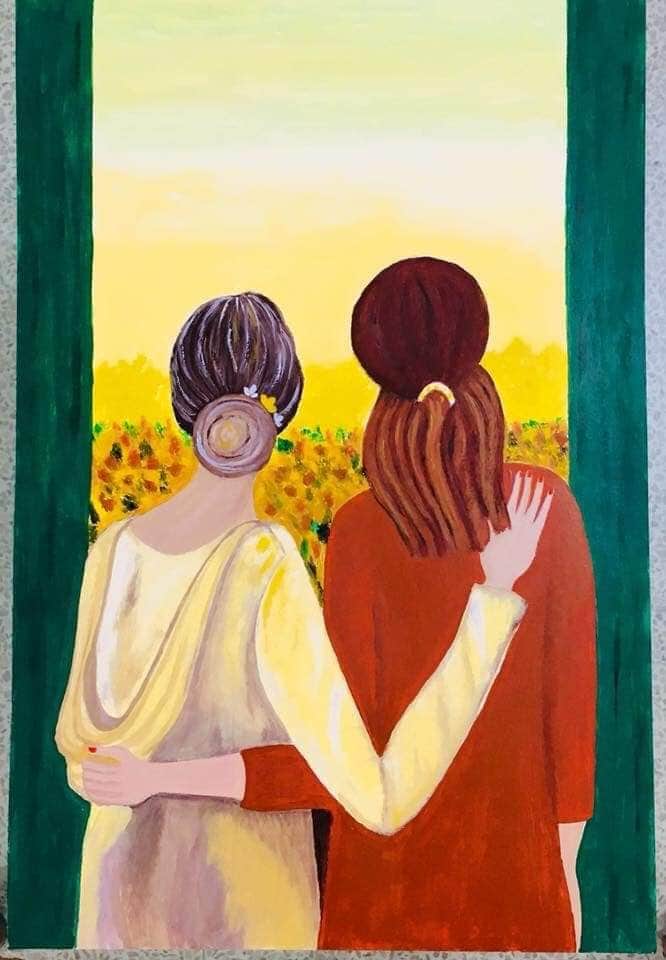
The above experiences are real and from the present times only. They still exist in our society as narrated above and are not exceptional or rural cases. Some of them are ridiculous but they exist. They exist not only in Odisha or south India but different parts of the country. My survey got 142 respondents from seven states and the awareness on these menstrual taboos was not very different across these states.
Many Mayankitas feel humiliated, rejected, but they have no choice other than following these practices and taboos, even in urban India. There are others who resist and create spaces for their choices but are judged and labelled ‘bad’. Its not easy to be labelled ‘bad’ and yet be ‘good’, is it?
Its time we start saying ‘No” and ensure that no more Mayankita struggles for her share of the “CHOICE”. Through open discourse, both boys and girls must be educated not only about the biological aspects of menstruation but also about these norms and practices, their relevance or irrelevance in today’ world. Mayankitas today, should not be made to skip school, sports or functions because of a simple biological function that makes her a woman. She cannot be treated as an untouchable or impure because of the reason behind the human existence— Menstruation.
Who doesn’t say that Mayankita doesn’t exist ? It is only last year that a woman died of snake bite as she had to spend the night in a dingy, dark room little far away from the family home .
Very well addressed issues . I am glad you are putting your experience of talking to these ladies to use . Real India lives in villages and kasbas and still suffers from these practices .
Thanks for utilising my painting so well . You have given so much meaning to it .
All the best
Thank u bhabhi. If the realities I have shared are from urban India, imagine it’s form in rural India. I am trying my bit but am sure it will ignite some change somewhere for sure
Very pathetic and miserable condition .It is a mental trauma which keeps her haunted always . We need women at all levels, including the top, to change the dynamic, reshape the conversation, to make sure women’s voices are heard and heeded.
Menstruating women are allowed to do Chhath Puja, the most difficult pujas of all. .. I don’t know how the well intended systems changed to restrictive discriminating systems. It’s important to debate and allow women to make the choice.
Ranjana I appreciate your brave step to such a sensitive topic. It is prevalent in urban areas today also irrespective of how humiliating it comes to be. I remember one daughter in law arguing with her mother-in-law that why you take it in such a tabooed way.if it was really so then how did lord Krishna helped to provide cloth to Draupadi during cheer haran .she should have been left by Him taking that Draupadi is untouchable. The mother-in-law had no answer.and I was left to think that she is 100%correct.what we shy to speak about openly so beautifully it was presented by her.so time will surely change .it will take time
Thank you so much mam! Your words mean more than what my words here can express. I cannot change the world but if I can plant a seed of change in home, in my readers, the multiple trees of change will grow I am sure
A stark reality camouflaged well in this generation also
Very well brought out
Quite nicely articulated the real face of modern society. I have not understood the logic behind impurity during period as yet. Totally agree that such mindset requires change.
Keep writing about such issues. 👌👌👏👏